TouMilou Music | Catalogue
Kairos Collective
The expanding occasional ensemble that Michiel van der Meulen assembles to record or perform his contemporary modal music. Kairos is the personification of the right moment, the time to act, or an opportunity to be seized, encapsulating the spirit and atmosphere of the collective’s sessions.
Full albums
Smaller releases
Stories
Music originates from silence, but not from a vacuum. Beyond music itself, it is inspired by people, experiences, emotions, nature, places, events, stories and history — in other words, by life. This makes music a special, deeply personal form of human communication, in which the intentions of its creators and the experiences of listeners do not even have to match for it to be meaningful. Kairos Collective albums comes with stories about the music, its inspiration, and the people behind it, written with just as much joy as the music itself. They are there to enhance your listening experience if you wish, or to be left untouched if you prefer to let your own imagination flow.
Scores
On the scores page, you’ll find published original scores, a selection of unpublished original scores, miscellaneous transcriptions of Balkan and Ottoman classical music, and a brief introduction to the notation system used (terms of use in the footer).
Selected testimonials
- Francesco Tommasino, Blogfoolk Magazine (June 17, 2026; translated from Italian): “a story larger than the people performing it”
- Marius Roeting, New Folk Sounds (May 17, 2026; translated from Dutch): “journey through a contemporary modal musical paradise”
- Madison Quin, World Music Central (March 8, 2025): “striking interplay of Eastern […] modal music and Western elements”
- Holly Moors, Moors Magazine (December 17, 2024; translated from Dutch): “he can work miracles live as well.”
- Dani Heyvaert, Rootstime.be (July 29, 2023; translated from Dutch): “a magnificent listening experience”
- Jan Willem Broek, De Subjectivisten (November 28, 2022; translated from Dutch): “a fantastic, unparalleled World album.”
- Marius Roeting, New Folk Sounds (November 20, 2019; translated from Dutch): “Van der Meulen deserves a statue!”
- Crispijn Oomes, MixedWorldMusic.com (August 4, 2017; translated from Dutch): “Michiel van der Meulen […] passed cum laude.”
Kairos Collective – Mulciber (TouMilou, 2025)
June 17, 2026
We have in our hands an interesting album entitled Mulciber, created by the Kairos Collective, founded by composer and geologist Michiel van der Meulen. It is a highly ambitious project that explores the forces shaping and regulating our planet through sixteen instrumental pieces. How can this aspect be understood? The title itself already provides a clue. Historically, Mulciber—so named by the Netherlands Organisation for Applied Scientific Research (TNO)—was a volcano in the North Sea that was active during the Late Jurassic and Early Cretaceous periods, around 150 million years ago. At that time, the area around the North Sea was seismically active due to the breakup of the supercontinent Laurasia. When faulting occurred in other regions, such as the Bay of Biscay and the Atlantic Ocean, seismic activity around the North Sea gradually subsided. According to Michiel van der Meulen, who led TNO’s Geological Survey of the Netherlands project, the discovery marks an important step in understanding volcanism in the North Sea. Van der Meulen stated: “The geological deposits of the North Sea are an exciting story to read. This discovery adds information and new variables to the general knowledge we already had about our environment. The chances of Mulciber erupting are virtually zero. In fact, Mulciber is an extinct volcano.”
Returning to the album itself, it was released in December 2025, and one thing must be understood from the outset: it does not reveal itself on a first listen. It demands careful exploration, and its overall sonic landscape is remarkably varied. Instrumental writing is the album’s beating heart, and in this regard van der Meulen leaves almost nothing to chance. The arrangements are constructed with an architectural precision that can be felt in every layer. For example, the opening track, ‘Propontis’, lays the foundations for the entire project: an interweaving of instrumental voices that move with extraordinary fluidity, never overwhelming one another. As the album progresses, tracks such as ‘Fumarola’ and ‘Nepheli’ stand out as particularly memorable, characterized by a steadily growing musical structure, as though they were the magma of a volcano gradually building beneath the surface. Equally significant is the presence of taqsim, a genre typical of Ottoman music that is based on improvisation and follows specific rules of development and elaboration tied to melodic progression. For this reason, taqsim can sometimes be described as “real-time composition.” One of the contemporary exponents of this genre is Michalis Kouloumis, a violinist and composer in the Kairos Collective and the creator of the album Displaced Dreams. Taqsim can be heard most clearly in four tracks: Kürdîli Hicâzkâr, Hicâz, Nevâ, and Hisâr-Bûselik. These are pieces of breadth and depth, in which time seems to expand. The overall result is a work that traverses Balkan folk music—the lively ‘Kalajdžijsko’ being the most immediate example—and the modal traditions of the Eastern Mediterranean, holding everything together not through force but through an internal coherence that gradually reveals itself. To use an image, the album progresses like tectonic plates: through slow yet inexorable movements that ultimately reshape the landscape.
Naturally, listeners seeking immediate melodies or recognizable rhythms may find the album difficult, perhaps even challenging in its more suspended and contemplative sections. Mulciber requires a willingness to engage with sounds that lie outside familiar habits, such as the aforementioned taqsim, Balkan scales, and the open structures of its more experimental compositions. This is not a flaw of the album—it is its very nature. To return to the geological metaphor, it is like an excursion through an extraordinary terrain. The experience is worth the effort, but it is only fair to know beforehand that the journey will take place across rugged ground. For those willing to stop and truly listen, however, Mulciber offers something rare: the feeling that the music is telling a story larger than the people performing it, something inspired by the Earth itself. https://kairoscollective.bandcamp.com/album/mulciber
Francesco Tommasino
© 2026 Blogfoolk Magazine
Review of Mulciber in New Folk Sounds
Kairos Collective – Mulciber
Reviews / kanun, modal music, old, Southeastern Mediterranean / By Marius Roeting
Michiel van der Meulen has done it again: with Mulciber—named after a primordial crater in the North Sea—he once more delivers a superb album of contemporary modal music from roughly the south-eastern European Mediterranean region. That means oud, kanun, lyra, but also violin, cello, ney and, naturally, a wide range of percussion instruments. Nineteen musicians support van der Meulen, among them Ross Daly, Kelly Thoma and Efren Lopez, alongside other musicians from Greece, Turkey, Iran and the Middle East. A particularly striking guest is Sylvain Barou (gajda, zurna), who, alongside a career in (Breton) folk music, is increasingly focusing on music from the East.
This supergroup, brought together under the name Kairos Collective, has once again created a premium-class album. Despite the unfamiliar time signatures, rhythms and sequences to Western ears, the accessibility of the compositions wins you over immediately. At one moment upbeat, dynamic and fast-paced; at another refined, hushed, melodic and lyrical. As a geologist, van der Meulen feels deeply connected to the Earth and its origins. That connection involves eruptions, heat, cooling, petrification and erosion — precisely the processes evoked by these sixteen tracks. Many are van der Meulen’s own compositions, some based on or derived from existing makams, supplemented by a number of improvisations from the performing musicians (oud, kanun, violin and cello), as well as an arrangement of a piece by Wouter Swerts.
The music alone is more than worth the effort, but the album’s liner notes—available online—are also extensive, insightful and richly informative, providing background and explanation that offer a deeper understanding of the enchanting world of modal music. They radiate enormous passion, as well as a strong sense of connection with friends and fellow musicians. Every piece—some being revisions of previously performed compositions—is a delight to the ear. The surprising finale to this captivating journey through a contemporary modal musical paradise is the composition ‘Satyr’, recorded using the carillon of Laurenskerk in Rotterdam, combined with recorded street sounds from the Binnenrotte and a virtual street organ. How all of this connects to modal music is explained in the accompanying notes.
Van der Meulen deserves a statue.
© 2026 New Folk Sounds
Review of Ariadne in Moors Magazine
Kairos Collective Live
Ariadne / Contemporary modal music
Kairos Collective is the name of the ensemble that Michiel van der Meulen assembles to perform and record his contemporary modal music. Rooted in the modal traditions of the vast Ottoman Empire, the music often has the sound and feel of something ancient and traditional. Yet these are very much original compositions by Van der Meulen, who has already released a number of astonishingly beautiful albums.
Now there is a new live EP—although, at nearly forty minutes in length, I would hardly call it an EP anymore. Here, Van der Meulen demonstrates that he is just as capable of working miracles on stage as he is in the studio, as his music proves to be every bit as breathtaking in a live setting. The release includes two new pieces, which alone are reason enough to seek it out, but the entire recording is well worth hearing. It can be streamed in full on Bandcamp, where it is also available to purchase at a very modest price. Highly recommended!
- Kairos Collective Live – Ariadne – Contemporary Modal Music – TouMilou Music
- Listen and purchase via Bandcamp
© 2024 Moors Magazine
Review of Erato in Rootstime
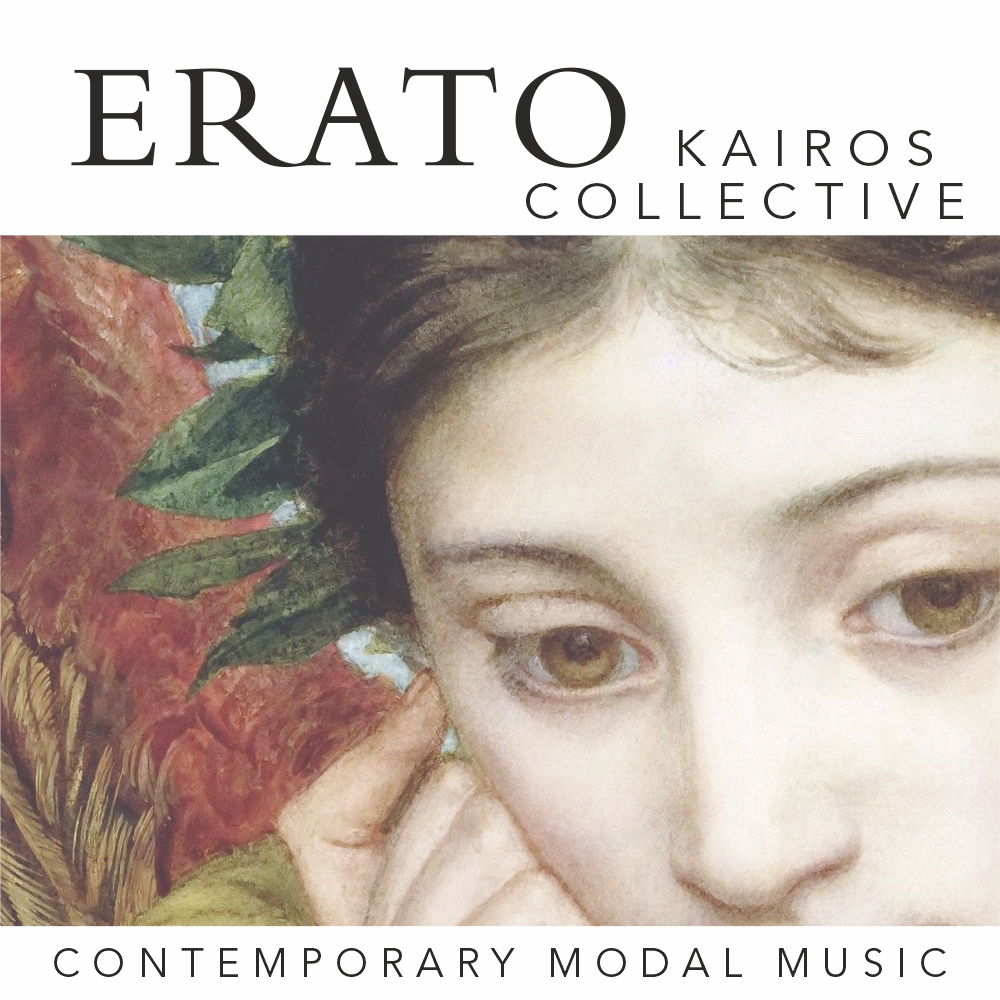
Kairos Collective – Erato
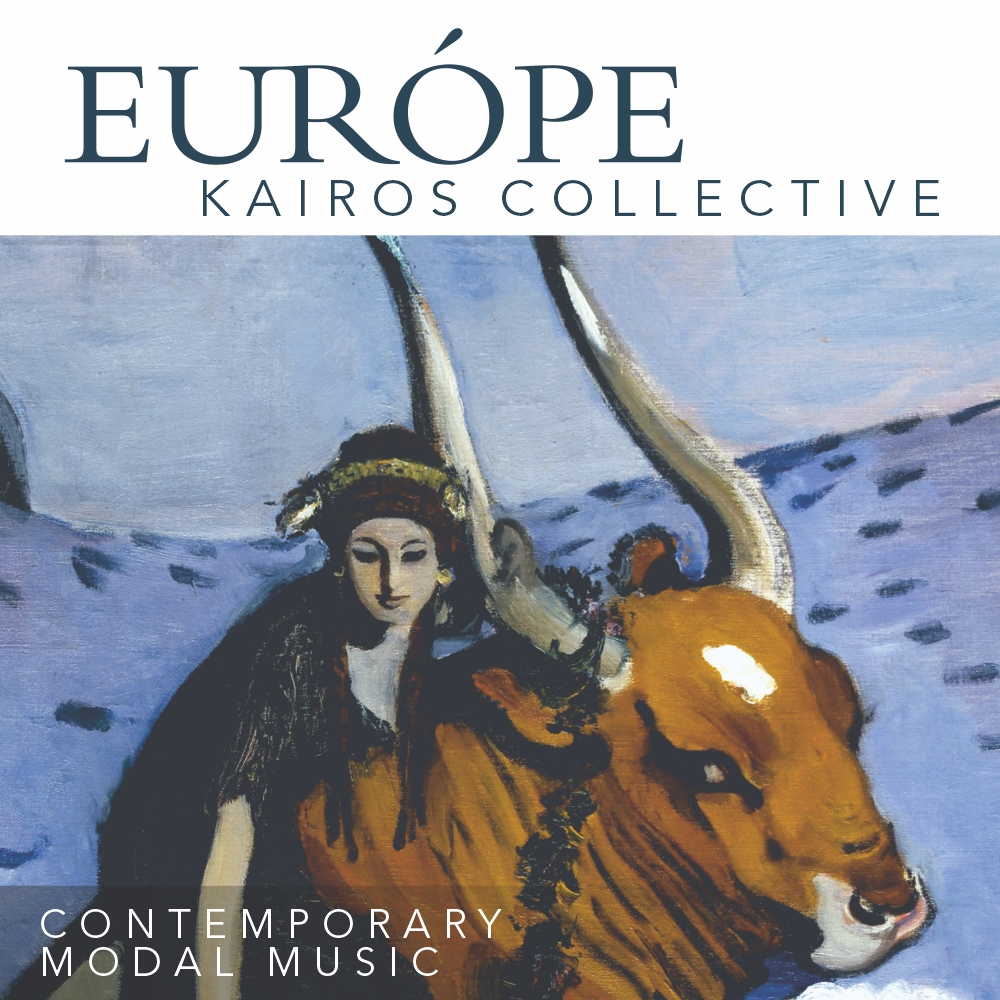
We have previously written at length about Pîrî Reis and Európe, the first two albums by the ensemble led by the Dutch composer Michiel van der Meulen, who specialises in contemporary modal music—that branch of music which, for the sake of simplicity, can be described as using scales, or modes, other than the familiar major and minor systems to organise melodies. The range of possible modes seems inexhaustible, and perhaps the best advice I can offer is simply this: listen for yourself. Before long, you will find yourself entering the world of the Dorian, Ionian, Phrygian, Lydian, Aeolian and Locrian modes. Put simply, whereas our familiar scale begins and ends on C, in other modes any note may serve as the tonal centre, which in turn changes the intervals between the notes that follow.
Van der Meulen has repeatedly demonstrated that he is a master of these alternative modal systems, and once again, after repeated listens to this new album, I realised that it is really just a matter of listening differently. The listener has to set aside what Western ears instinctively expect to hear. For Erato, Van der Meulen drew extensively on the insights he gained during a workshop with the great Ross Daly, centred on the question ‘where does this music come from?’ That question can refer both to the geographical origins of a piece of music and to the search for an answer to why certain images, sounds and melodies move us deeply, while others scarcely rise above what we perceive as ordinary or commonplace. It is a question that quickly leads into the realm of philosophy, but in the hands of masters such as Daly and Van der Meulen, that is no obstacle to creating music of self-evident beauty—music that inevitably reminds us that all music ultimately comes from people.
From people who make use of the natural qualities of sound, qualities that we only begin to perceive as beauty once rhythm, emphasis and tonality are added—elements that, to simplify matters somewhat, we might classify under the heading of inspiration. This may all sound rather weighty, but it does nothing to diminish the fact that Erato is an extraordinarily beautiful and deeply intriguing work. That is only fitting, given that Erato is the Muse of lyric poetry and love songs. Almost the entire album was recorded live in the studio, giving the performances an unmistakable sense of spontaneity. Add to this the composer’s fascination with an astonishing range of musical traditions—from Uyghur and Ottoman to Persian and Arab music—which he has studied and absorbed into his own musical language, and the result is, at times, nothing short of remarkable.
In an extensive essay on his website, Van der Meulen discusses each of the album’s fourteen compositions in detail. The text runs to a dozen pages, and quoting it at length here would take us too far afield—you really should read it for yourself. Don’t be put off by its level of detail: if you let the album play while you read, you’ll soon arrive exactly where you ought to be—a magnificent listening experience of over one hour, and an encounter with a way of making music that probably differs from what you are used to, but, believe me, you are bound to fall in love with!
(Dani Heyvaert)
© 2023 Rootstime
Review of Erato in De Subjectivisten
NNM: Kairos Collective – Erato
NNM is a series in which we review new music by Dutch artists.
Kairos Collective – Erato (cd, TouMilou Records)
Composer and multi-instrumentalist Michiel van der Meulen has devoted many years to what he calls contemporary modal music. Modal music is an inheritance from the Ottoman Empire and does not follow the familiar major and minor tonal systems. Van der Meulen was introduced to the related musical traditions of Greece and the Balkans from an early age by his father Albert, who, together with his mentor Wouter Swets, pioneered what was then regarded as the rather exotic music of Greece and the Balkans with the ensemble Čalgija. It was not long before Michiel himself became captivated by these traditions. He later studied on Crete with the Irish ethnomusicologist Ross Daly, where he mastered the system of melodic modes (maqam) found in traditional Arabic music. He has performed as a violinist with the ensemble Ano Kato and also founded the Kairos Collective. The group has already released the albums Pîrî Reis (2016) and Európe (2019) on Van der Meulen’s own independent—and idiosyncratic—label, TouMilou, which has also brought long-forgotten recordings by Čalgija back into circulation. In ancient Greek mythology, Kairos is the personification of the opportune moment—the right time to act or seize an opportunity—and symbolises inspiration and creative energy. The name aptly reflects the collaborative recording sessions, during which ideas are exchanged with passion at precisely the right moment, creating opportunities for something entirely new to emerge.
Now those intensive collaborations have produced a third album, Erato. Erato is one of the nine Muses of Greek mythology. Her name means “the lovely one”, and she is the Muse of hymns, song and lyric poetry, traditionally associated with stringed instruments. This new album is dedicated to the source of music itself—or, as the great Ross Daly once posed in a seminar entitled Where Does This Music Come From? The question is not merely philosophical. Music can often be traced back to particular geographical regions, although its origins frequently prove more surprising than one might expect. At the same time, music also comes from within ourselves. But how did it get there? Why am I so deeply moved by Turkish and Arab music, while someone else feels nothing at all?
Van der Meulen (composition, tambura and double bass) and his collective explore these questions across fourteen pieces that illuminate the theme with remarkable imagination. The source itself becomes a kind of muse for the act of making music. To realise this project, he worked with Harris Lambrakis (ney), Michalis Kouloumis (violin), Giorgos Papaioannou (violin), Nikos Papaioannou (cello), Manolis Kanakakis (kanun), Taxiarchis Georgoulis (oud), Alexandros Papadimitrakis (oud), Marijia Katsouna (bendir, tombak) and Jacobus Thiele (adufe, daire, bendir and drums). Five guest musicians also make appearances on tarhu, lyra, cello, bendir, ney and accordion.
The music is entirely instrumental, yet it carries the listener on a compelling and evocative journey through lands of long ago, while presenting them in an unmistakably contemporary guise. Or perhaps it is better described as new music expressed through ancient means. It breathes history—so vividly that it seems almost tangible, almost perceptible by scent—yet at the same time belongs entirely to the present. Chronology simply ceases to matter. Instead, immerse yourself in this timelessly beautiful music, enriched by a wonderfully melancholy patina. You are unlikely to encounter anything quite like it elsewhere.
Where does this music come from? There is no clear-cut answer, Utrecht would be too simplistic, but it resulted in a fantastic, unparalleled World album.
Jan Willem Broek
© 2022 De Subjectivisten
Review of Európe in New Folk Sounds
Kairos Collective – Európe
Reviews / Mediterranean, modal music, Dutch composer / By Marius Roeting
I previously reviewed Pîrî Reis, the album by the ensemble led by the Dutch composer Michiel van der Meulen, in glowing terms. My only criticism was its rather short playing time. Van der Meulen seems to have taken that to heart, as this time he delivers an album lasting around an hour.
His compositions are performed by almost the same group of musicians: Harris Lambrakis (ney), Giorgos Papaioannou (violin), Manolis Kanakakis (kanun) and Marija Katsouna (percussion), joined by guest appearances from Nikos Papaioannou (cello), Albert van der Meulen (accordion), Vagelis Karipis (riq) and Roel Sluis (vocals). The composer himself also plays the tambura on several tracks.
There are few changes to the line-up, and the same applies to my verdict. Once again, this is music of the very highest calibre. Improvisation and modality lie at its heart, rather than melody for its own sake. The subtitle is once again Contemporary Modal Music, and not a word of that description is exaggerated. The entire album is built on modal principles, drawing on the Persian maqam tradition with a touch of Mediterranean influence. The result sounds strikingly authentic without ever becoming rigidly traditional or conventional.
Van der Meulen inherited both his love of music and his gift for composition. His father, Albert, was one of the pioneers of what was then regarded as the rather exotic music of Greece and the Balkans, alongside his mentor Wouter Swets (both members of Čalgija), and it was from him that Michiel first absorbed these musical traditions. He later refined his craft under Ross Daly, the acknowledged master of modal music. And with what results: it is remarkable that such richly idiomatic compositions should flow from the pen of an unassuming Dutchman. Even more remarkable is his ability to assemble exactly the right musicians to bring them to life.
The performance standard is high, the transparancy of the various instruments excellent, and the compositions are challenging, captivating and imaginative. Van der Meulen deserves a statue!
© 2019 New Folk Sounds
Review of Pîrî Reis in MixedWorldMusic.com
Michiel van der Meulen – Pîrî Reis: Contemporary modal music
Augustus 4, 2017
Toumilou / Xango
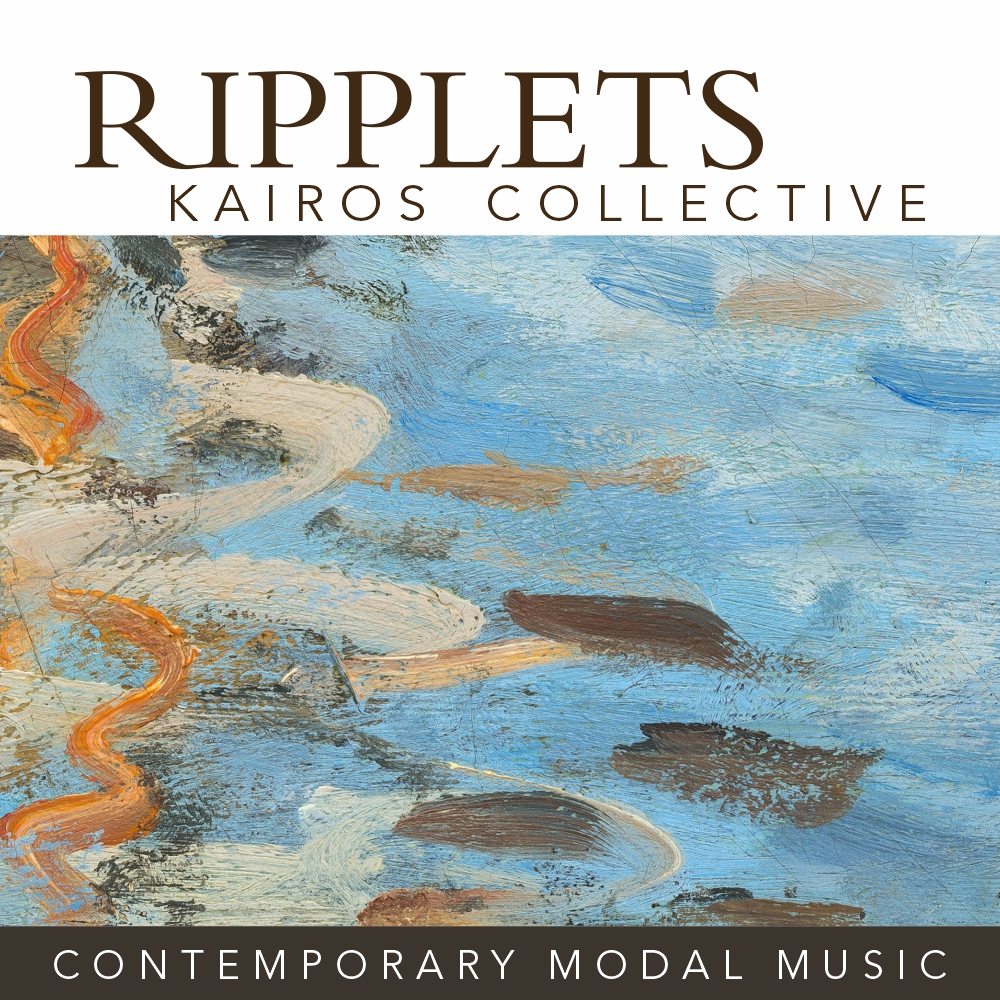
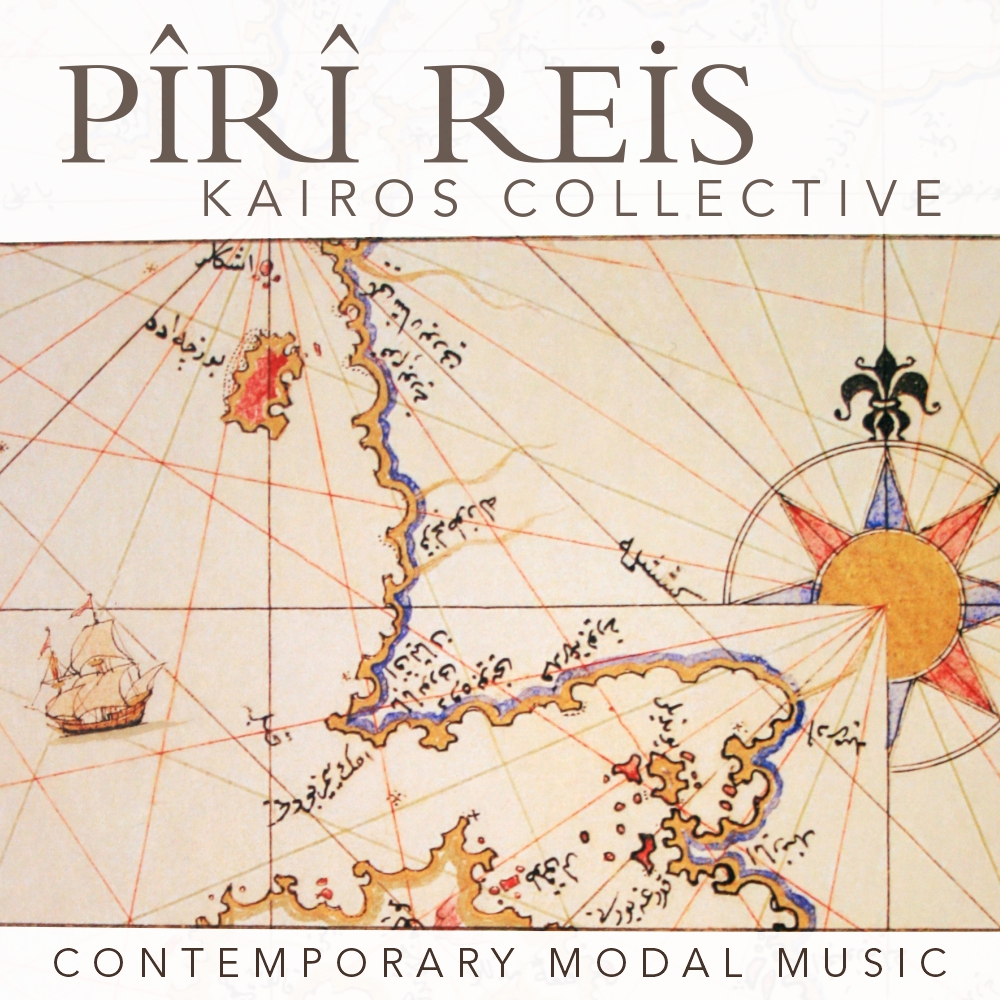
Michiel van der Meulen delivered his examination workpiece, and as far as I’m concerned he passed cum laude. He set himself the task of composing several works according to the principles of modal music—more specifically, in the style of makam music from Istanbul during the Ottoman Empire. To familiarise himself with this tradition, he attended various courses with Ross Daly, a leading teacher in the field, who lives on Crete.
Placing oneself within the framework of the makam is a form of voluntary confinement. The composer must adhere to a number of rules. “By makam one understands a set of prescriptions that determine the melody’s opening, the scale(s) to be used, its overall course, points of repose and conclusion.” (W. Swets: Traditional Turkish Art Music, KRO, 1983). Call it a challenge. Unlike Western music, modal music is monophonic and has no harmony or bass line. That too presents a challenge: the composer and musician are given the opportunity to explore fully the rich possibilities of a tonal system.
Michiel van der Meulen takes the listener on his own voyages of discovery through various makams. With growing amazement, you experience the beauty of the scales, rhythms and compositional forms he employs. All six works radiate an almost meditative tranquillity, which is essential in order to appreciate their enchanting and subtle melodic turns. Each composition has its own character and a fully developed internal coherence. The Saz Semâîs always conclude in a light-hearted 6/8 metre. Here, Michiel allows himself to let go of the seriousness and introduces unexpectedly folk-like and joyful passages. The works are performed by five erudite Greek musicians on violin, ney, kanun, ûd and percussion. Michiel is fortunate to have such gifted and accomplished musicians at his disposal. In the world of makam music, the intention is not for performers simply to play the notes as written. Quite the opposite: the musician is expected to embellish, reshape and enrich the notes with ornamentation, variation and improvisation. In this way, the performer becomes part of the creative process. Praise is therefore due for this outstanding performance, in which the musicians presumably did not play merely what Michiel wanted, but what he had dreamed of! You can hear the pleasure they take in making the compositions their own, introducing subtle arrangements (with changing combinations of instruments). And at a certain point they completely let go in free improvisations—for example, in the second piece, ‘Kürdi Saz Semâî’.
Praise is also due for the artwork, both of the CD cover and of the accompanying volume of sheet music published at the same time. In a nutshell, Michiel discusses the theory of micro-intervals and the rhythms employed. He also reflects on his great inspiration, Wouter Swets (1930–2016), who was a master at composing “interludes” for the folk music of the Balkans and Anatolia.
(Crispijn Oomes)
© 2017 MixedWorldMusic.com
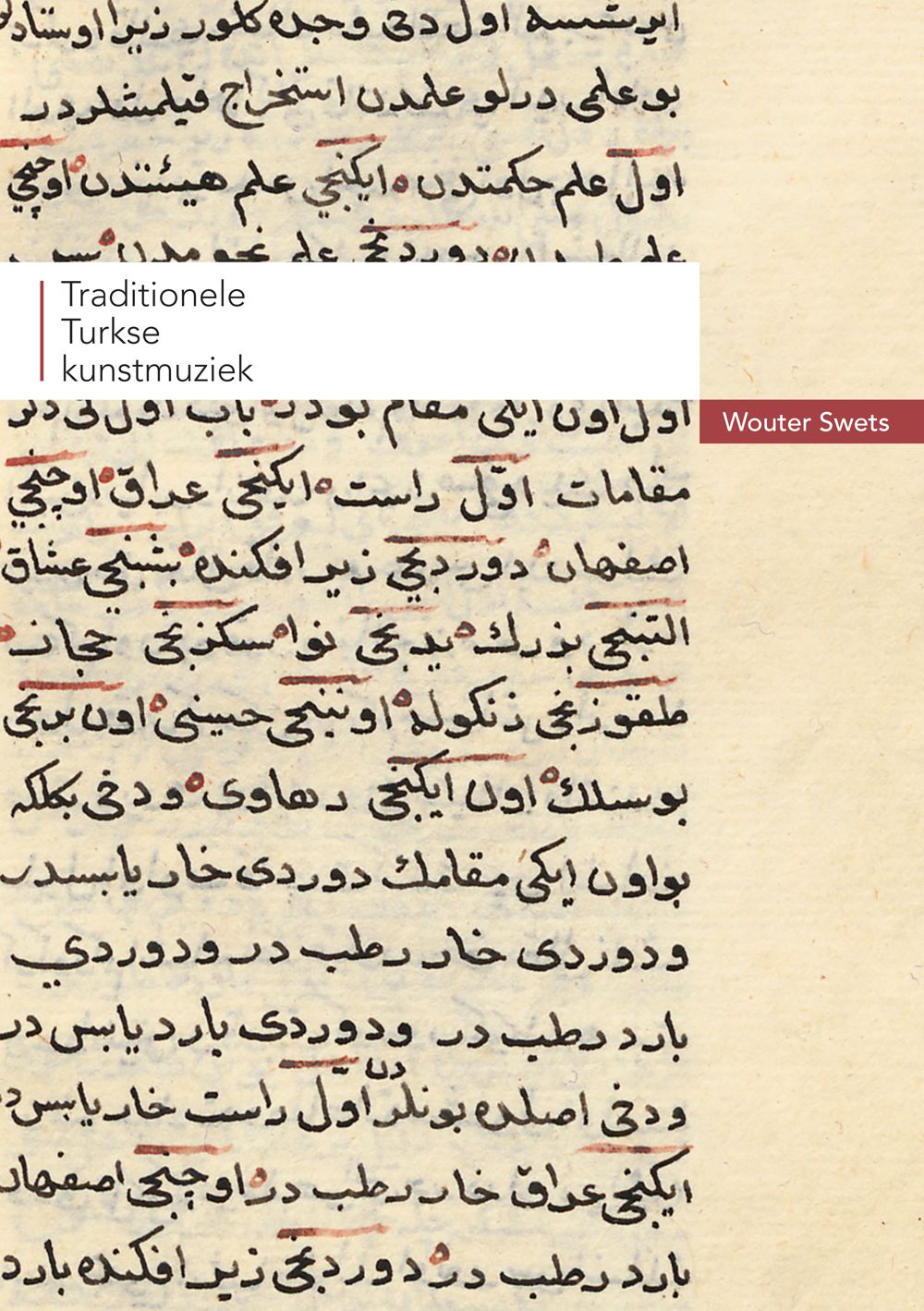
Traditionele Turkse kunstmuziek / Traditional Turkish art music
Omslag achterzijde: klik om in te zoomen
Dutch textbook on Ottoman music by Wouter Swets (1930–2016), first published by the Dutch public broadcasting organisation KRO in 1983. The book describes the music in terms of its historical and geographical context, forms and approaches, modal and rhythmic systems, and comes up with a useful graphic representation of sixty makams (Turkish modes).
The second edition of 2023¹ was edited and supplemented by Michiel van der Meulen. The book page is available in Dutch only.
__________________
¹ Swets, W., 2023. Traditionele Turkse kunstmuziek – Tweede, bewerkte editie (M.J. van der Meulen, red.). TouMilou Music, Brave New Books: xiii + 217 pp. ISBN 9789464182996.
Bladmuziek
Op de boek- en bladmuziekpagina’s vind je de in Traditionele Turkse kunstmuziek opgenomen partituren (gebruiksvoorwaarden in de voettekst).
Vermeldingen en reacties / Mentions and reactions
- Roel Sluis, Wouter Swets: Musician, Composer, and Ethnomusicologist (1930–2016), in: A.J.M. Vrolijk et al. (eds), Prophets, Poets and Scolars, Leiden University Press, 169–179 (12 september 2024): “still regarded as a standard work.”
- Aad van Nieuwkerk, VPRO Vrije Geluiden Wereldwijd #7 (4 augustus 2024): “Zeg maar rustig een musicologisch standaardwerk”
- Nieuwsblad van het Noorden over de auteur, in een bespreking van de radioserie waarvan het boek de samenvatting vormt (5 oktober 1981): “Uniek door zijn exclusieve talenkennis en zijn enorme kennis van de Turkse muziek.”
Čalgija
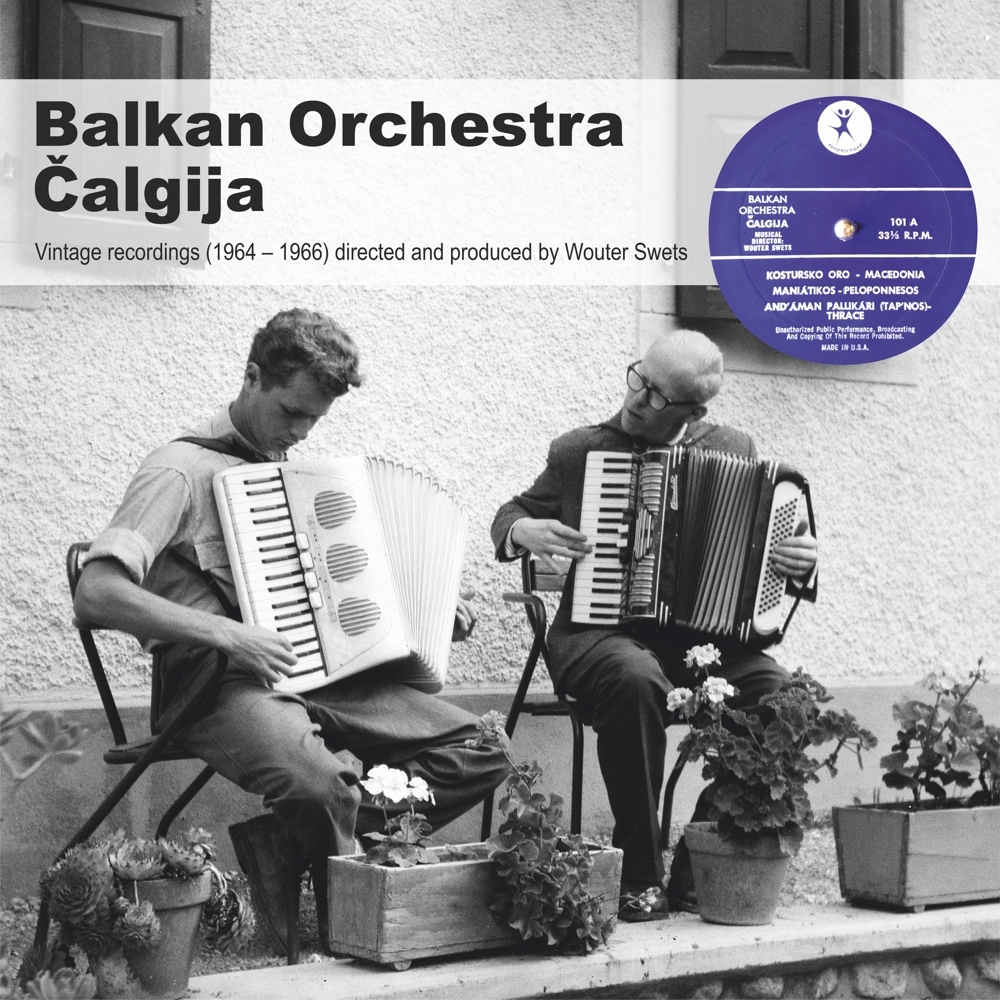
Legendary Dutch ensemble that played Balkan and Turkish folk music and released three records during its existence (1962–1995): Balkan Orchestra Čalgija (EP, 1966), Music from the Balkans and Anatolia #1 (LP, 1978) and Music from the Balkans and Anatolia #2 (CD, 1991). TouMilou reissued the EP and produced, in co-operation with Pan Records, two additional full albums from unreleased studio and live material from the late 1970s and early 1980s: the ensemble in its heyday.
Releases on TouMilou / With Pan Records
Testimonials
- Marija Dumnić Vilotijević, Yearbook for Traditional Music (July 2022): “This edition is intriguing”
- Dani Heyvaert, Rootstime.be (November 3, 2021; translated from Dutch): “one of the absolute best world music releases of the year”
- Joop Wierenga, New Folk Sounds (August 22, 2021; translated from Dutch): “a great historical novel about the Balkans”
- Holly Moors, Moors Magazine (July 18, 2021; translated from Dutch): “A lovely, unexpected discovery from the archives”
- Jan Willem Broek, De Subjectivisten (September 22, 2017; translated from Dutch): “A little world-music gem!”
Ordering information
- All albums except Vintage recordings (1964–1966) are streamed on the major platforms (digital distribution is handled by Pan Records)
- Use the contact form to order CD’s directly from TouMilou:
- Üçayak and Unforgotten: € 10.00
- Vintage recordings (1964–1966): € 5.00
- Music from the Balkans and Anatolia #2 (Calgija, 1991) and Sabâ Kâr-ı Nâtık, İlâhîler, Gregorian Hymns (Čalgija’s successor ensemble Al Farabi, 2002): € 7.50
- Vintage recordings (1964–1966) and Üçayak can be purchased online from the distributor Xango Music, and resellers such as bol.com and amazon.com
- Vintage recordings (1964–1966) is streamed on Soundcloud, and can be downloaded from the album page
Revenues of Čalgija and Al Farabi CD sales and Traditionele Turkse kunstmuziek book sales are transferred to the estate of Wouter Swets and used to cover the expenses of a continued effort to safeguard his musical legacy. TouMilou Music contributes to this effort on a pro bono basis.
Review of Üçayak in Rootstime
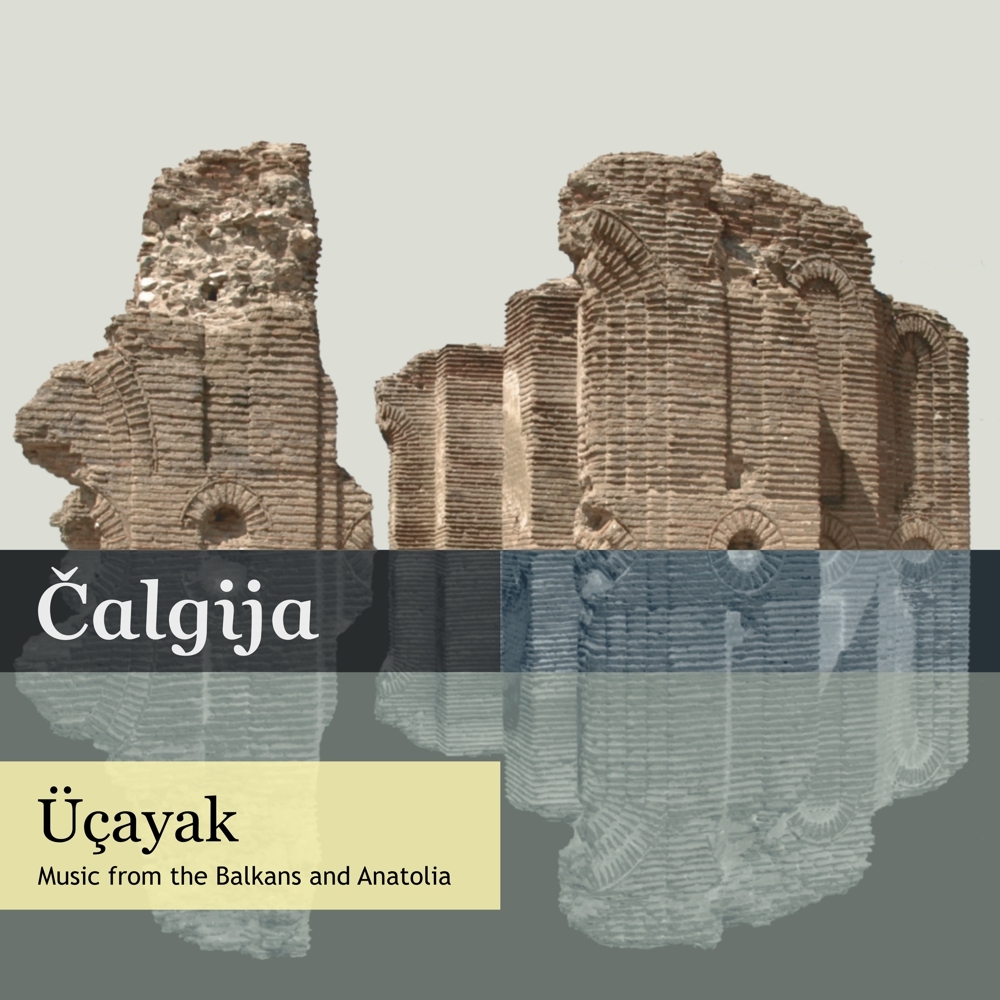
Čalgija – Üçayak, Music from the Balkans and Anatolia
There are some albums that demand a little more attention and effort from the listener than others. Take Üçayak by the ensemble Čalgija. Originally, Čalgija was the name of the group led by the Dutch ethnomusicologist Wouter Swets. In 1981, he and the ensemble entered the studio to record the second volume of Music from the Balkans and Anatolia. The recordings were completed, but Swets never finished writing the accompanying booklet. Meanwhile, the world moved on, and the ensemble’s line-up and repertoire changed to such an extent that the recordings were no longer considered representative. As a result, they ended up forgotten in a drawer—or perhaps a cellar—and were never released.
A second attempt was made in 1983, but these recordings also failed to reach completion. They were never fully issued, although part of the material was used for a Čalgija album released in 1991. Swets passed away in 2016, and among his belongings a cassette copy of the lost 1981 recordings was discovered. The tracks were carefully restored and digitised, and now form the heart of this album: the first nine tracks are those restored recordings from more than forty years ago.
Even older are tracks 10 to 16, which are live recordings from Čalgija concerts given in 1978 at Theater aan de Haven in The Hague. These recordings were likewise restored in 2019, and a newly recorded closing track was added, resulting in the seventeen-track album we can enjoy today. Together, they paint a vivid picture of what Čalgija represented at the height of its powers.
We owe all this to Michiel van der Meulen, a man of extraordinary patience and deep admiration for the work of Wouter Swets. Through his record label TouMilou—van der Meulen in Greek—he had previously released Unforgotten and Vintage Recordings by Balkan Orchestra Čalgija, featuring Michiel’s father, Albert van der Meulen, on accordion. Thanks to these releases, we now have access to virtually everything that Swets and his musicians ever recorded. Quite apart from this archival work, Van der Meulen is also known through his own ensemble, Kairos Collective, and its albums of contemporary modal music, Pîrî Reis and Európe—recordings that challenge the ear while revealing a wealth of extraordinary musical beauty.
The same is true of this Čalgija album. It sounds exactly as the musicians must have intended: a little raw, a little unpolished, but utterly authentic and deeply felt. This is folk music at its finest—music as it was, and still is, played by ordinary people. Admittedly, it takes a little time to become accustomed to the rhythms and scales, which are not always familiar to Western ears, but the music possesses such profound beauty that you would need a heart of iron not to be moved by it.
Add to this the superb 32-page booklet, which offers extensive background on the musical tradition, the individual pieces and the musicians themselves, and the conclusion is inescapable: this is one of the absolute best world music releases of the year. You know what to do!
(Dani Heyvaert)
© 2021 Rootstime
Wieringa weighs things up: Čalgija and my memories of the Balkans
Articles, columns / Balkans, Netherlands, folk music, Wieringa weighs, Wouter Swets / by Joop Wieringa
It was 1980. I’m looking through an old diary from that year. I’ve kept all my annual diaries since 1973. What exactly was I doing on my Balkan journeys back then? The reason I’m thinking about it is that Hans asked me to review a new album by the ensemble Čalgija. Around 1980, I found myself becoming more deeply involved with Balkan music once again. That year I joined the Paloina demonstration dance group, with which I regularly performed Balkan dances throughout the Netherlands. In the years that followed, I frequently travelled by motorcycle to the Yugoslavia of President Tito, the country’s enlightened despot.
At the time, the country was experiencing something of a revival of its traditional culture, and the music still sounded deeply rooted in folklore, much as it had for centuries. Sometime around 1984, Paloina learned a new dance choreography by the renowned musician and choreographer Pece Atanasovski. He had built an impressive career in Yugoslavia. As a child of just five or six, he was already playing a wide variety of traditional folk instruments, as many of the men in his family did. From leading dances in his home village and becoming an outstanding gaida (bagpipe) player, he went on to record LPs and create folk dance choreographies.
He later joined the State Song and Dance Ensemble Tanec as a musician and eventually became the director of several musical ensembles. Later still, he spread his wings to the United States and Canada, where he taught his ‘recreational dances’—the social dances traditionally performed at weddings in his homeland and, increasingly, abroad as well.
Our International Folkloristic Dance Theatre invited Pece to the Netherlands to create a new choreography, and our dance group was able to benefit from the visit as well. For a considerable fee, he taught us a suite of dances from his country. As a demonstration group, you were also buying the prestige of having his name attached to your repertoire.
Skopje by motorcycle
On one of my journeys, I rode my Honda CX500 into Skopje. I found the small campsite, pitched my little tent, and wandered into the city, which is now the capital of North Macedonia. The city centre had been beautifully restored following the devastating earthquake of 1963. Somewhere in the centre I noticed a cluttered little shop crammed with old odds and ends, although the window also displayed a number of beautiful collector antiques. I had no intention of buying anything—there wasn’t much room on my motorcycle—but out of curiosity I stepped inside. The place was packed with objects that had nothing to do with one another, except that together they offered a glimpse into an long-forgotten world, one that had itself already been swept away by the modern age of the mid-1980s.
There wasn’t a soul in the dimly lit, high-ceilinged room. I wandered around in quiet amazement, taking in the atmosphere created by all this accumulated bric-à-brac. I was just about to leave when, high up on a sunlit shelf in one corner, I spotted a stack of LPs, several of them bearing the instantly recognisable face of Pece. When Pece had visited the Netherlands, he had brought his wonderful music only on cassette tapes and had shown no commercial interest in selling records. Everyone in my dance group would happily have bought a copy, as this exotic music was extremely difficult to find back home. So I made a snap decision to buy a few LPs after all and somehow find room for them on my motorcycle, hoping to get them home intact. I called out, “Hallo! Dobar dan! Dobro jutro!” Somewhere I heard shuffling, followed by the creak of a staircase.
Bent double
A very elderly, stooped little woman emerged from the back of this other world and fixed me with a gloomy look. I didn’t speak Serbo-Croatian, so we had to rely on sign language. I pointed towards the coveted corner, but following my gesture she picked up a small earthenware bear from a much lower shelf. I shook my head and tried to indicate that she needed to reach much higher. She looked at me rather blankly, and I searched my memory for the name of the musician whose face I recognised from the album covers, but not from Cyrillic lettering.
“Pece! Ah, Pece!” she exclaimed, breaking into a smile. “Yes, yes—lijepci… sjajan!” she beamed, delighted that this foreigner knew her hero, and indeed the pride of the entire region. For a while we simply stood there grinning at one another, neither of us understanding the other. It wasn’t getting us very far, so I resorted to more gestures: pointing at the treasured records, then at myself with both hands, and finally making the internationally recognised finger-rubbing gesture for money. The poor old lady was not blessed with lightning-fast comprehension, so I had to repeat the performance several times before her expression revealed that the penny had finally dropped.
I also began to realise that this bent old woman had no hope of reaching the LPs on the high shelf, and I feared our transaction might come to an untimely end. Then she disappeared beneath her dusty counter and suddenly reappeared holding a long broom which, judging by the thick layer of dust on it, had long since ceased to serve its original purpose. Instead, it had become an extension of her curved body. With one sweeping movement she tried to hook the records—but instead knocked her little earthenware bear off the shelf, where it smashed to pieces on the floor. Undeterred, she tried again. I closed my eyes in despair, already anticipating the inevitable outcome, as though watching a scene from a Laurel and Hardy film. This time she succeeded—but the entire stack of LPs came crashing down onto the shattered remains of the bear. The noise made me open my eyes again. I expected to see a look of dismay on her face. Instead, she looked positively triumphant. Busily, she gathered up the—after all, rather fragile—records from the floor as though she were shovelling up lumps of coal that had spilled from a sack. She propped the whole pile against the cabinet, deftly fished out the two albums I wanted, and casually nudged the rest back into a neat stack with the toe of her slipper. Rarely have I expanded my record collection in quite such a fashion. The price stickers showed remarkably low amounts in dinars, written in an almost illegible hand. I paid as close to the exact amount as I could; it was obvious there wasn’t much money to be made in this little shop. She wrapped the two LPs in a newspaper that was already six months old and tied the parcel with a length of coarse string.
Wedding celebration
When I returned to the campsite, I heard live music, the very sort of music I had probably just bought on those LPs. A wedding was taking place at the campsite and, as the only foreigner there (this was before tourism had grown into what we would now call mass tourism), I was invited to join the festivities with a few glasses of rakija and a plate of ćevapčići. In those days, inviting a stranger to your wedding was believed to bring good luck. The musicians played a tapan drum, a zurna shawm, an accordion and, from time to time, a kaval flute.
Thanks to the warm, almost brotherly atmosphere—and my years of experience as a folk dancer—I was soon able to join in. My dancing amazed the other guests and only added to their enthusiasm, no doubt helped by the generous supply of drink available for the celebration. I would estimate that, in those days, a Balkan wedding consisted three-quarters of music, dancing and drinking, with the remaining quarter devoted to the well-intentioned rituals surrounding the marriage of the couple and the union of their families. And for all I know, that may still be the case today.
Balkan music from the Netherlands
Ever since the first wave of tourism to the Balkans, international interest in the region’s musical traditions has steadily grown. Many ensembles have adopted this exotic style, sometimes performing it almost more beautifully than the original. Čalgija is one such group. Under the direction of the ethnomusicologist and accordionist Wouter Swets, the ensemble approached the Balkan tradition with remarkable authenticity and respect.
Over the years, the excellent Balkan ensemble Čalgija released a number of recordings in various line-ups. Following the death of Wouter Swets, the group disbanded. Years later, a reunion brought several of the former members together again under the name Čalgija-3. Then, last year, a remarkable discovery was made: a set of Ampex tapes containing previously unreleased recordings of the music once heard in pre-Second World War Macedonia and Anatolia—performed, in this case, by outstanding Dutch musicians.
The group’s leader, Wouter Swets, was something of an Alan Lomax of the Low Countries: a field researcher who spent years travelling through the Balkans in the middle of the twentieth century, collecting and documenting traditional melodies. With the original Čalgija ensemble, he sought to introduce this remarkable musical heritage to Dutch audiences.
Urban traditional
Čalgija is the name of a genre of traditional urban folk music from Macedonia and Bulgaria. It is typically performed on traditional instruments such as the tapan, tarabuka, gaida, oud, dajre, kanun and violin. Today, Čalgija-3 carries on that tradition with former members of earlier line-ups. And now there is also the album Üçayak, featuring rediscovered recordings from 1981. Crispijn Oomes filled me in on some of the background.
He explained how difficult the recording sessions at Munich Records had been. The label’s producer, Job Zomer—who, like Wouter Swets, is sadly no longer with us—spent four years chasing Swets for the liner notes that were meant to accompany the recordings. By then, however, Swets had long since moved on to other projects, including a lecture series and a book on Ottoman classical music. The professionally recorded twelve-track master tapes had already disappeared from his mental horizon. According to unconfirmed stories, there were even plans at one point to release the album in the United States. Munich Records has since ceased to exist, and the original tapes have disappeared.
When Wouter Swets passed away in 2016, a cassette containing two-track recordings of surprisingly good quality was found among his belongings. Michiel van der Meulen, a member of the current ensemble, digitised these recordings with the assistance of Wil Hesen, the original sound engineer from the 1981 sessions. The recordings have now been released with great care and expertise, supported by extensive research, source material and newly written liner notes that place this remarkable music in its proper context. The nine recordings rediscovered in 2020 have been supplemented with eight live tracks from 1978. Three of the recordings had previously been restored and released on earlier albums.
An exotic world
As soon as you put the CD on, you are transported to an exotic world of long-forgotten times—the very same atmosphere I experienced in that little shop in Skopje all those years ago. The music is beautiful, timeless and utterly authentic: centuries-old folk traditions dating back to long before the World Wars. The six musicians, including Wouter Swets himself, play a wide range of traditional Čalgija instruments, including the gajda, bağlama, cura, laouto and def. Most of the singing is provided by clarinettist and santur player Jan Hofmeijer, although on occasion the entire ensemble joins in. The live recordings were made at Theatre aan de Haven in The Hague. Some of the dance tunes are instantly familiar to me from the folk dance world. Here, however, they are performed with dazzling virtuosity and remarkable flair. Üçayak—which means ‘three-step dance’—is a wonderful addition to the Dutch multicultural musical landscape. It brings together Macedonian and Bulgarian folk traditions with Ottoman café music, dating from the period when the Ottoman Empire ruled this part of the world until 1912. This was immensely popular music until around 1950, and it is now enjoying a well-deserved revival.
The album also brings back many personal memories. The second track, ‘Trakijsko pajduško’, is a spirited dance from Thrace, performed here with tremendous fire. It immediately takes me back to a folk dance evening at Danshuis Terpsichoré. Čalgija had been invited to provide the live music, and that’s where things went wrong—particularly during this pajduško.
As with so many Balkan dances, a single dance may be accompanied by a variety of different melodies. In the Netherlands, however, we were very much products of what I call the ‘cassette tape culture’: students learned each dance to one specific melody, which was then used everywhere. As Dutch dancers, we could only dance the choreography to that particular tune, and the same applied to virtually all traditional dances at the time. Consequently, most folk dance bands in the Netherlands faithfully reproduced the cassette recordings note for note, with the familiar A and B melodies in exactly the right order. Dancers tended to recognise the melodies rather than the rhythms themselves.
Čalgija played a variety of melodies that the dancers at the ball simply didn’t recognise. Everyone waited patiently and politely for the band to finish its set. A handful of people did recognise the correct dance and tried to join in, but no proper circle or line dance ever got going. It was only when someone put the familiar cassette back on that the dance floor immediately filled again.
It was a curious experience of genuine living traditional music—music that, in the Balkans, would have had everyone dancing. Most of the pieces on this album are traditional dances such as kalamatianos, tsamiko and zeybekiko from the Greek Balkans, rachenitsa and kopanitsa from the Bulgarian Balkans, as well as dance tunes from eastern Turkey and Albania. Here, however, the ensemble achieves an almost orchestral sound, with often complex, largely syncopated rhythms and melodies that at times seem almost impossible to follow. Some pieces unfold at a stately pace, while others race along with exhilarating energy.
The variety on this CD is remarkable, not least because the tracks are not grouped by country but interwoven throughout the programme. As a relatively untrained listener, I can usually distinguish the Greek style from the Bulgarian or Macedonian approach, all of which differ subtly again from the Albanian tradition, which to my ears has more in common with Turkish music, despite the geographical distance between those two cultures.
Listening more closely—and with the liner notes to hand—I noticed that Roel Sluis’s vocal harmonies are supported by Jan Hofmeijer, who also plays the kanun and clarinet. His singing adds wonderful colour, particularly in the Albanian song ‘Në Shkodër’. The Turkish song ‘Esir-i zülfünüm ey yüzü mahim’ is beautifully mysterious, with its winding melodic lines and intricate syncopated rhythms.
A beautiful melody
The tsamiko dance ‘Selim Bey’ takes me back to the recently departed Roelof Rosendal, with whom I once shared a tiny bedroom during a folk dance weekend in Lage Vuursche. It was still early on a Sunday morning and I was only half awake after a long evening of dancing when I was gently shaken awake with the words: “you simply have to hear this melody—it’s so beautiful.” The next moment I was violently dragged back to reality by the piercing blast of a Balkan gaida (bagpipe), which Roelof had enthusiastically unleashed on me. Still hovering somewhere between sleep and consciousness, I sat bolt upright in bed. I wanted to tell him exactly what I thought… but just managed to summon the groggy words, “yes, beautiful.” The day had certainly begun with a bang, but I survived.
Incidentally, on this track Roelof plays a wonderful oud part, taking over from an equally fine violin solo by Crispijn Oomes. One of the album’s great strengths is the way each piece allows different instruments to come to the fore. Because all seven musicians are multi-instrumentalists, every track sounds rich and varied without ever losing its coherence or distinctive character. As mentioned earlier, the nine rediscovered studio recordings have been supplemented by eight live recordings. Although these live tracks were recorded in mono, I can hardly hear any difference compared with the studio material; everything sounds equally clear and vibrant. It’s remarkable just how fresh and contemporary these recordings from 1981 still sound. Discussing all seventeen tracks would be impossible, but the newly written liner notes by Michiel van der Meulen provide a wealth of fascinating information about every one of them.
This album, Üçayak, unfolds like a wonderful historical novel about the Balkans, with its very informative liner notes about the tracks and the remarkable history of this extraordinary ensemble.
If you’d like to learn more about this fascinating musical tradition, visit Folkdance Footnotes.
- Čalgija – Üçayak, Music from the Balkans and Anatolia
-
TouMilou Records #5, or via Xango Music Distribution
© 2021 New Folk Sounds
Review of Üçayak in Moors Magazine
Čalgija
Üçayak / Music from the Balkans and Anatolia
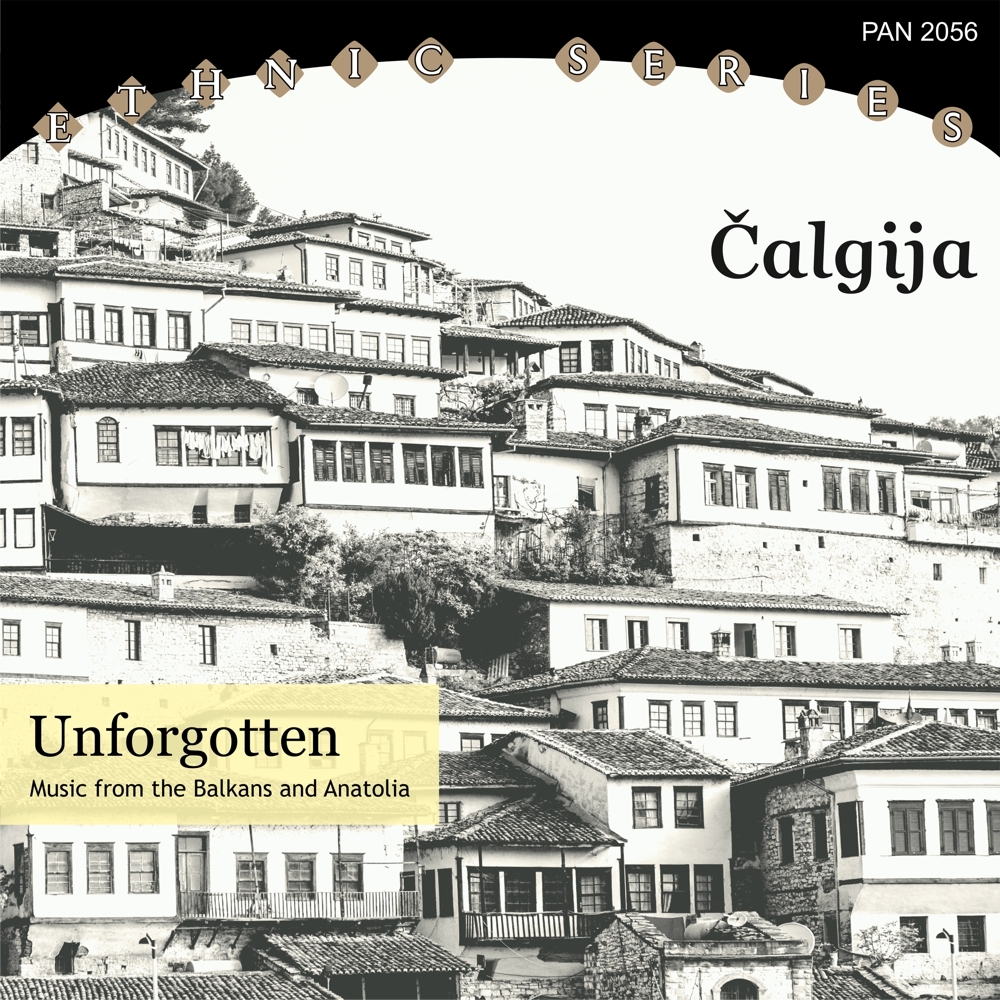
Just look at the cover of this album, then listen to one of the excerpts before reading any further. I suspect you’ll be convinced that you’re hearing an Eastern European ensemble performing authentic music from the Balkans and Anatolia. In fact, what you’re listening to is a group founded by the Dutch musician and ethnomusicologist Wouter Swets, who had a profound passion for this music and felt that the traditions of the region had become overly Westernised. Through his arrangements, he sought to restore the music to what he believed was its original form. You could perhaps call that a form of cultural imperialism, and, to be honest, I sometimes feel that Swets was more Catholic than the Pope in his approach. Even so, there’s no denying that he and his ensemble tackled this old repertoire with extraordinary passion and dedication.
During its long existence (1969–1995), Čalgija released two albums: Music from the Balkans and Anatolia #1 and #2, in 1978 and 1991, respectively. The ensemble was at its peak as a live act from the late 1970s until the mid-1980s. In 1981, another album was recorded and prepared for release, but, apparently, Swets never managed to complete the accompanying liner notes, and the album was shelved. The original master tapes were preserved for many years but disappeared around a decade ago. Other master tapes from 1983 and 1984 were later discovered, containing live recordings that had partly been used for the 1991 album, alongside several previously unreleased performances. These were eventually issued under the title Unforgotten – Music from the Balkans and Anatolia.
Later still, a cassette tape surfaced among Wouter Swets’ personal effects, containing the recordings originally intended for that unreleased LP. Swets was evidently a perfectionist who was not easily satisfied, but listening to these recordings today, one can only conclude that this was an ensemble with a complete mastery of the traditional music of the Balkans and Anatolia. You can hear the passion and energy in every performance, and that enthusiasm is impossible not to share.
-
Čalgija – Üçayak – TouMilou Records #5
© 2021 Moors Magazine
Review of Vintage Recordings (1964–1966) in De Subjectivisten
Balkan Orchestra Čalgija – Vintage recordings (1964–1966)
MCD, TouMilou Records / Xango Music Distribution
People sometimes ask me how I came to love world music and folk music so much. My answer is invariably that it all began with Dead Can Dance leading me to Le Mystère des Voix Bulgares. The latter group produced a sound that, at the time, was unlike anything I had ever heard before, with emotions that seemed impossible to understand and yet somehow universal. Later came many others, from Asia and Europe to Africa, with the musical ethnologist Hector Zazou also playing an important role in my journey.
But I should certainly not overlook the Dutch musical ethnologist, arranger and musician Wouter Swets (1930–2016). This collector of Balkan music – which he often rearranged himself – also made his mark through ensembles such as Čalgija and Al Farabi. Today, one can also turn to Michiel van der Meulen (Pîrî Reis) for music that crosses borders.
In any case, with Balkan Orchestra Čalgija, Swets made recordings in the 1960s that range musically from Macedonia and Bulgaria to Greece. These have now been posthumously brought together by the TouMilou label on the mini CD Vintage Recordings (1964–1966). Swets (accordion) is joined by accordionist Albert van der Meulen (father of the aforementioned Michiel van der Meulen), darabuka player Pedro van Meurs and an anonymous clarinettist.
There are only six tracks, running to just over twelve minutes in total, but they possess such overwhelming beauty that it is wonderful to be able to hear them again. They may be vintage recordings – complete with all their crackles and imperfections – but they still stand remarkably strong. This applies both to the opening track, sung by Terpsichore (folk dance group and choir), and to the instrumental pieces that follow.
Music that says so much more than language alone ever could. A magnificent little world-music gem!
Jan Willem Broek
© 2017 De Subjectivisten